Introduction
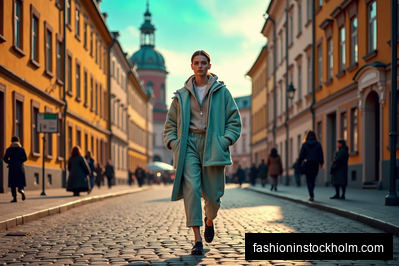
Stockholm, the capital city of Sweden, is often cited as a beacon of minimalist design and innovative fashion. The city’s unique blend of historical reverence and modern flair has cultivated a distinctive style that resonates not just within the Nordic region but across the global fashion landscape. This exploration of cultural influences on Stockholm's fashion trends delves deeply into the roots and evolution of this iconic style, showcasing how tradition, geography, social norms, and international influences converge to shape the sartorial choices of its inhabitants. Through examining specific examples, statistics, case studies, and expert insights, we will uncover the multifaceted layers that contribute to Stockholm's fashion identity.
The interplay between Stockholm’s cultural heritage and contemporary trends offers a fascinating study in contrasts. From the rugged, functional apparel inspired by Sweden’s vast natural landscapes to the sleek, clean lines emblematic of Scandinavian design, Stockholm's fashion scene is a testament to the city's ability to harmonize its past with the present. By dissecting the components of this unique style, we can gain a deeper appreciation for the cultural forces at work in shaping fashion trends in Stockholm and beyond.
Delving deeper into the realm of introductions, it's fascinating to explore how first impressions can shape our perceptions. Just as Stockholm's minimalist design sets the tone for its reputation as a design powerhouse, a compelling introduction sets the stage for what follows in any narrative. Take, for instance, the iconic entrance of the Vasa Museum in Stockholm, which captivates visitors with its grandeur and historical significance. Similarly, a well-crafted introduction in a blog post can draw readers in, sparking their curiosity and setting the tone for the content that awaits. Crafting a captivating introduction is indeed an art form that can leave a lasting impact.
Historical and Geographic Influences
The history and geography of Stockholm have played pivotal roles in shaping its fashion sensibilities. The city’s location, surrounded by water and forest, has necessitated a wardrobe that can withstand the elements while maintaining a sense of elegance and simplicity. This has led to the creation of clothing that is both functional and stylish, embodying the Swedish principle of "lagom," meaning just the right amount. Historically, Sweden’s cold and dark winters have also influenced the color palette of Stockholm’s fashion, favoring darker hues and layers that can be easily adapted to changing conditions.
The influence of Stockholm’s maritime history is evident in the city’s enduring love for stripes and nautical themes, a trend that recurs season after season. Additionally, the Swedish tradition of "Allemansrätten," or the right to roam freely in nature, has fostered an appreciation for outdoor clothing that is durable and practical yet fashionable. Brands like Fjällräven and Helly Hansen have gained international acclaim by marrying these principles, offering products that cater to the demands of nature without compromising on style.
Delving deeper into the historical and geographic influences on fashion, Paris stands out as a prime example. Known as the fashion capital of the world, Paris's rich history and unique geography have contributed significantly to its iconic style. The city's cobblestone streets, grand boulevards, and historic landmarks have inspired countless designers and artists, shaping Parisian fashion into a symbol of elegance and sophistication. Additionally, the city's tumultuous past, marked by revolutions and cultural movements, has infused its fashion with a sense of rebellion and avant-garde creativity.
The Impact of Socio-Cultural Norms
Stockholm’s fashion scene is also significantly influenced by socio-cultural norms that prioritize sustainability, equality, and inclusivity. The Swedish concept of "Jantelagen," which promotes societal equality and discourages individual boasting, is reflected in the understated elegance of Stockholm's fashion. This has led to the popularity of minimalist designs that focus on quality and functionality over flashiness or brand prestige.
Sustainability is another cornerstone of Stockholm’s fashion identity. Swedish consumers are increasingly demanding ethically produced and environmentally friendly clothing, a trend that has prompted local designers and international brands alike to adopt more sustainable practices. For example, Stockholm-based brand Acne Studios has committed to becoming more eco-friendly by using organic cotton and recycled materials in its collections. This shift towards sustainability is not only a response to consumer demand but also reflects a broader societal commitment to preserving the environment for future generations.
Furthermore, Stockholm's fashion industry is characterized by its inclusivity, with brands and designers striving to cater to a diverse audience. This is evident in the wide range of sizes, styles, and price points available, ensuring that fashion is accessible to everyone, regardless of age, size, or economic status. The rise of gender-neutral clothing lines, such as those offered by Swedish brand Hope, further underscores this commitment to inclusivity, challenging traditional norms and promoting a more open and accepting view of fashion.
In addition to shaping fashion trends, socio-cultural norms profoundly influence the dietary choices in various regions. For instance, in Japan, where respect for tradition is paramount, the cultural norm of consuming seasonal and locally sourced foods not only reflects a deep connection to nature but also promotes sustainability. This practice not only honors the environment but also fosters a sense of community and togetherness.
Furthermore, the impact of socio-cultural norms extends to education systems worldwide. In countries like Finland, where equality is a core value, the educational structure is designed to ensure that every child receives the same opportunities for learning and growth, irrespective of socio-economic background. This emphasis on equality not only fosters a sense of inclusivity but also contributes to a more equitable society where individuals are empowered to reach their full potential.
The Role of Innovation and Technology
Innovation and technology have also played crucial roles in the evolution of Stockholm’s fashion scene. Swedish designers are renowned for their forward-thinking approach, leveraging new technologies to enhance both the functionality and sustainability of their creations. Digital fashion shows and virtual fitting rooms are becoming increasingly common, offering a glimpse into the future of retail. These advancements not only improve the shopping experience but also reduce the carbon footprint associated with traditional fashion shows and in-store shopping.
The integration of smart textiles and wearable technology is another area where Stockholm’s fashion industry shines. For instance, local startups are developing clothing that can regulate body temperature, change color, or even monitor health indicators, blurring the lines between fashion and technology. This focus on innovation extends to materials as well, with Swedish companies at the forefront of developing eco-friendly fabrics made from recycled plastics and other sustainable resources. These efforts not only push the boundaries of what fashion can achieve but also highlight Stockholm’s commitment to environmental responsibility.
Moreover, the integration of virtual reality (VR) and augmented reality (AR) technologies has revolutionized the retail experience in the fashion industry. Leading brands are now leveraging VR to create immersive virtual showrooms, allowing customers to virtually try on clothes and accessories before making a purchase. This innovative approach not only enhances customer engagement but also provides valuable insights into consumer preferences and behavior patterns, enabling brands to tailor their offerings more effectively. By embracing these cutting-edge technologies, the fashion industry is pushing the boundaries of creativity and customer interaction, setting new standards for innovation and customer experience.
International Influences and the Global Stage
While deeply rooted in local culture and traditions, Stockholm’s fashion scene is also shaped by international influences. The city’s designers and brands are adept at incorporating global trends into their collections, creating a unique fusion that appeals to both local and international audiences. This global outlook is facilitated by Stockholm’s position as a cosmopolitan hub, attracting talent and inspiration from around the world.
Stockholm Fashion Week is a prime example of how the city showcases its fashion prowess on the global stage. The event attracts buyers, journalists, and influencers from across the globe, offering a platform for Swedish designers to present their work to an international audience. The success of Swedish brands such as &Other Stories and COS further demonstrates the global appeal of Stockholm’s minimalist aesthetic, proving that the city’s fashion influence extends far beyond its borders.
The influence of international fashion capitals such as Paris, Milan, and New York is also evident in Stockholm’s fashion scene. This cross-pollination of ideas fosters creativity and innovation, allowing Stockholm’s designers to stay at the cutting edge of global fashion trends. At the same time, Stockholm's fashion industry maintains a strong sense of identity, ensuring that its creations remain distinctly Swedish in their simplicity, functionality, and commitment to sustainability.
Exploring international influences in the realm of fashion unveils a rich tapestry of cultural exchange and innovation. From the intricate embroidery techniques of India influencing haute couture to the vibrant colors of African textiles making waves on the global stage, the fusion of traditional craftsmanship with modern design is reshaping the industry. Designers are increasingly drawing inspiration from diverse global sources, creating collections that transcend borders and resonate with a worldwide audience. This cross-pollination of ideas not only enriches the creative landscape but also fosters a deeper appreciation for the interconnectedness of cultures in the ever-evolving fashion world.
Conclusion
Stockholm's fashion trends are a testament to the city's ability to merge its rich cultural heritage with contemporary influences, creating a style that is both unique and universally appealing. The city's fashion scene is characterized by a commitment to sustainability, functionality, and inclusivity, reflecting broader societal values that prioritize environmental responsibility, equality, and access for all. Through leveraging innovation and technology, Stockholm continues to push the boundaries of what is possible in fashion, while remaining grounded in the traditions and norms that define Swedish culture.
As we have seen, the influences shaping Stockholm's fashion trends are multifaceted, ranging from historical and geographic factors to socio-cultural norms, innovation, technology, and international trends. By understanding these influences, we can appreciate the depth and complexity of Stockholm's fashion identity and its significance on the global stage. For those looking to explore this unique fashion landscape, embracing the principles of minimalism, sustainability, and innovation that define Stockholm's style may serve as a guiding light. Ultimately, Stockholm’s fashion scene offers a compelling vision of the future of fashion, one that harmonizes tradition and modernity, local identity and global influence, in a way that is both inspiring and instructive.
In conclusion, Stockholm's fashion scene not only reflects the city's cultural heritage but also showcases its forward-thinking approach to style. The blend of traditional craftsmanship with modern design elements is evident in the unique pieces created by local designers. From minimalist aesthetics inspired by the city's clean lines and architecture to bold prints that pay homage to Sweden's natural landscapes, Stockholm's fashion industry continues to push boundaries and redefine contemporary trends.