
Introduction
The Stockholm fashion scene stands as a vibrant testimony to the seamless blend of innovation and tradition, marking its territory on the global fashion map. This unique juxtaposition has not only defined the aesthetic ethos of Stockholm’s fashion industry but has also paved the way for an intriguing exploration of sustainability, craftsmanship, and technological advancements. As we delve into the heart of this Scandinavian fashion capital, we uncover how Stockholm has become a beacon of inspiration for forward-thinking designers and fashion enthusiasts alike.
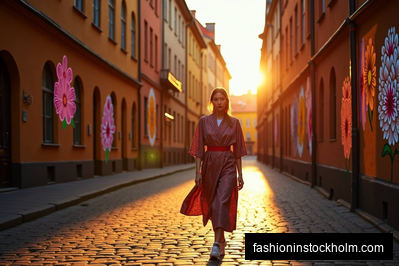
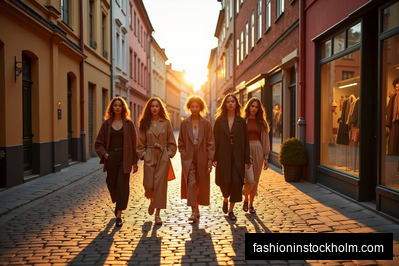
This exploration takes us through the bustling streets of Stockholm, where historical architecture meets contemporary design, mirroring the fashion scene's own blend of the old and the new. The city's fashion narrative is rich with examples of brands and designers who navigate the delicate balance between preserving Swedish heritage and embracing global trends. This article aims to shed light on the intricate dynamics of Stockholm's fashion scene, illustrating how innovation and tradition coexist in harmony to shape its unique identity.
In delving deeper into the Introduction of the Stockholm fashion scene, one cannot overlook the influence of renowned designers like Acne Studios and Filippa K. These pioneers have set the stage for a culture that embraces both creativity and sustainability, making Stockholm a true fashion capital.
The Foundations of Stockholm's Fashion Identity
The essence of Stockholm's fashion identity is deeply rooted in Swedish culture, known for its minimalist design, functionalism, and sustainable living. These principles have historically guided Swedish fashion, from the early days of handwoven textiles to the contemporary era of global fashion brands. Companies like Acne Studios, Filippa K, and Nudie Jeans epitomize this ethos, focusing on clean lines, quality materials, and ethical production methods. Their approach not only respects traditional Swedish craftsmanship but also innovates within these parameters to stay relevant in today's fast-paced fashion world.
Moreover, Stockholm's fashion scene has been significantly shaped by its commitment to sustainability. Brands are increasingly embracing eco-friendly practices, from using organic materials to adopting circular fashion models. This shift is not merely a trend but a return to the traditional values of resourcefulness and respect for nature, updated with modern techniques and materials. The result is a fashion scene that is both cutting-edge and deeply connected to its roots.
Stockholm's fashion identity is also influenced by its sustainable fashion initiatives, with brands like Filippa K leading the way in eco-friendly designs. This commitment to sustainability not only shapes the aesthetic but also reflects the city's eco-conscious ethos.
Innovative Practices in Stockholm's Fashion Scene
Innovation in Stockholm's fashion scene is not limited to sustainable practices. Technology plays a pivotal role in propelling the industry forward. For instance, digital fashion shows and virtual reality (VR) fitting rooms have become increasingly popular, especially in the wake of global events that have restricted traditional retail and fashion show formats. These technological advancements not only offer practical solutions to current challenges but also open up new avenues for creativity and customer engagement.
Stockholm has also become a hub for fashion tech startups that are redefining the industry. Companies like Virtusize and Fit Analytics are pioneering solutions to reduce returns by improving online fit prediction, merging the worlds of fashion and data science. This innovative spirit extends to materials, with startups like Renewcell focusing on recycling textiles to create new fabrics, thus revolutionizing the concept of sustainability in fashion.
Exploring innovative practices in Stockholm's fashion scene unveils a fusion of art and technology. From AI-driven design processes to interactive virtual fashion shows, the city's creatives are pushing boundaries. Sustainability remains a core focus, with brands utilizing advanced eco-friendly materials like vegan leather made from pineapple leaves.
The Role of Tradition in Innovation
While innovation propels Stockholm's fashion scene into the future, tradition remains its anchor. This is evident in the enduring popularity of traditional Swedish designs, such as the timeless Nordic patterns and Sami handicrafts, which continue to inspire modern collections. These elements of tradition serve not only as a nod to the past but also as a source of inspiration for future innovation. By integrating traditional motifs and techniques with contemporary designs, Stockholm’s fashion brands create unique pieces that stand out in the global marketplace.
Furthermore, the traditional Swedish value of "Lagom," meaning just the right amount, influences the industry's approach to fashion. This concept promotes balance and sustainability, encouraging designers to create collections that are both aesthetically pleasing and environmentally responsible. It's a philosophy that guides everything from production processes to the final product, ensuring that innovation does not come at the expense of the environment or craftsmanship.
Exploring how Italian craftsmanship intertwines with cutting-edge technology in Milan's design sphere sheds light on the intricate dance between tradition and innovation. From heritage ateliers preserving centuries-old techniques to avant-garde studios pushing boundaries, the fusion of old and new ignites a creative spark that propels the industry forward.
Case Studies: Bridging the Gap Between Old and New
Several Stockholm-based brands exemplify the successful fusion of innovation and tradition. For example, House of Dagmar, a women’s wear label, is renowned for its artful blend of classical tailoring with contemporary techniques and sustainable materials. Their approach has earned them accolades and a loyal following, demonstrating the global appeal of Stockholm’s fashion ethos.
Another notable example is Svenskt Tenn, a design company that, while not exclusively a fashion brand, has influenced the fashion industry with its iconic textile designs. By collaborating with modern designers, Svenskt Tenn has managed to stay relevant and beloved, proving that traditional designs can be timeless when reinterpreted with a modern twist.
Lastly, Atacac, a brand that uses algorithmic design and 3D printing to create its garments, showcases how technological innovation can redefine the very process of fashion design. Atacac’s approach not only reduces waste but also allows for unprecedented creativity in garment construction, marrying the old with the new in a groundbreaking way.
Delving deeper into these case studies, the blend of historic charm with modern functionality becomes apparent. An intriguing example is the revitalization of a century-old watchmaker's shop into a cutting-edge tech hub, preserving its heritage while embracing contemporary innovation.
Conclusion
Stockholm's fashion scene serves as a compelling model for the global fashion industry, demonstrating that innovation and tradition are not mutually exclusive but can instead complement and enrich each other. The city’s unique fashion identity, characterized by sustainability, craftsmanship, and technological innovation, offers valuable insights into how the fashion industry can evolve without losing sight of its roots.
For aspiring designers and fashion brands around the world, Stockholm’s approach provides a blueprint for creating meaningful, sustainable, and innovative fashion. It challenges the industry to think beyond the conventional boundaries of design and to consider how tradition can inform and inspire the future of fashion. As Stockholm’s fashion scene continues to evolve, it remains a beacon of hope and inspiration, proving that even in the fast-paced, ever-changing world of fashion, there is room for both the old and the new to thrive together.
In conclusion, Stockholm's fashion prowess not only influences the global industry but also sets a benchmark for sustainable practices. Brands like Filippa K and Nudie Jeans exemplify this commitment by prioritizing eco-conscious materials and ethical production methods, shaping a future where style meets sustainability.